DANGEROUS GOODS · DG SHIPPING

Dangerous Goods Shipping from China

Sea & Air Freight · Lithium Batteries · DG Documentation & Compliance

Wingocean ships eligible dangerous goods by sea, air and selected specialized routes—handling cargo classification, packaging assessment, booking, documentation and customs coordination.

Each shipment is assessed by cargo characteristics, UN number, hazard class, packaging, destination and applicable regulations before we recommend a solution.

  • Class 1–9 DG Assessment
  • Lithium Battery & Battery-Powered Cargo
  • Packaging, Documentation & Coordination
Get a Dangerous Goods Shipping Quote

Comprehensive Dangerous Goods Shipping Services

Different dangerous goods require different handling procedures, packaging standards and transportation documentation. Wingocean coordinates shipment assessment and logistics arrangements according to the applicable regulations and carrier requirements.

01

Dangerous Goods Classification & Assessment

Pre-shipment assessment to identify the applicable dangerous goods transportation requirements.

  • Dangerous goods classification assessment
  • UN number and proper shipping name verification
  • Hazard class and packing group review, where applicable
  • Safety Data Sheet (SDS/MSDS) and technical document review
  • Transportation mode and route assessment

02

Dangerous Goods Sea Freight

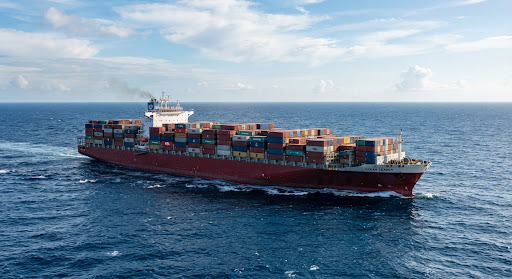
Sea freight solutions for eligible dangerous goods shipments, including containerized DG cargo.

  • Dangerous goods FCL shipping
  • Selected LCL dangerous goods arrangements, subject to acceptance
  • DG booking and shipping coordination
  • Maritime dangerous goods declaration support
  • Container packing and loading coordination
  • Destination customs clearance and delivery arrangements
03

Dangerous Goods Air Freight

Air freight arrangements for dangerous goods accepted by airlines and permitted under applicable aviation regulations.

  • Dangerous goods air cargo assessment
  • Airline acceptance and booking coordination
  • Dangerous goods declaration support
  • Packaging, marking and labeling checks
  • Flight and destination handling coordination
04

Lithium Battery & Battery-Powered Cargo

Specialized shipping assessment for lithium-ion and lithium-metal batteries, as well as equipment containing or packed with batteries.

  • Standalone lithium batteries
  • Lithium batteries packed with equipment
  • Lithium batteries contained in equipment
  • Battery-powered electronic products
  • Eligible battery-powered machinery and devices
  • Sea and air transportation assessment

Shipping requirements depend on battery chemistry, configuration, watt-hour rating or lithium content, test status, packaging and the selected transport mode.

05

Dangerous Goods Packaging & Documentation

Support with the documentation and packaging requirements involved in dangerous goods transportation.

  • Dangerous goods packaging assessment
  • Export dangerous goods packaging performance and use appraisal coordination, where required
  • UN specification packaging checks
  • Dangerous goods labels and marks
  • Shipping declarations and supporting documents
  • Cargo documentation review

Shipping Support for Dangerous Goods Classes 1–9

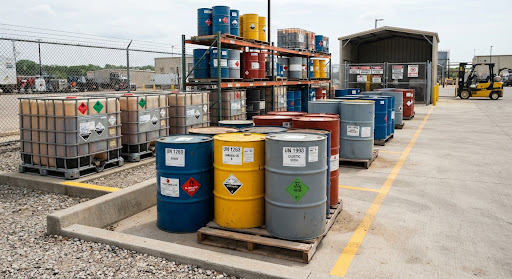
Dangerous goods are divided into nine hazard classes under international transportation regulations. Each class has specific requirements for classification, packaging, marking, documentation and transportation. Wingocean assesses cargo requirements individually and coordinates shipping arrangements for eligible goods, subject to route availability and carrier approval.

Class 1

Explosives

Explosive substances and articles.

Class 2

Gases

Flammable, non-flammable and toxic gases.

Class 3

Flammable Liquids

Flammable liquids and related products.

Class 4

Flammable Solids

Flammable solids, substances liable to spontaneous combustion and substances that emit flammable gas when in contact with water.

Class 5

Oxidizing Substances & Organic Peroxides

Oxidizing agents and organic peroxides.

Class 6

Toxic & Infectious Substances

Toxic substances and infectious substances.

Class 7

Radioactive Material

Radioactive substances and materials.

Class 8

Corrosive Substances

Acids, alkalis and other corrosive materials.

Class 9

Miscellaneous Dangerous Goods

Other regulated dangerous substances and articles, including lithium batteries classified under applicable entries.

Not all dangerous goods can be transported on every route or by every carrier. Acceptance depends on the specific substance, UN number, packaging, transport regulations and destination restrictions.

Why Choose Wingoceanfor Dangerous Goods Shipping?

Dangerous goods transportation requires careful assessment, accurate documentation and coordination across multiple parties. Wingocean focuses on compliance-oriented shipment handling and practical logistics solutions.

Experienced DG Shipping Coordination

Familiar with dangerous goods documentation, booking procedures and operational requirements for different transportation modes.

Packaging & Documentation Support

Help review packaging specifications, labels, declarations and supporting documents before shipment.

Updated Regulatory & Port Procedures

Monitor changes in dangerous goods transportation requirements and relevant port procedures, including applicable inspection and declaration arrangements.

Flexible Shipping Options

Evaluate sea freight, air freight and selected specialized routes according to cargo characteristics, destination and delivery requirements.

Compliance-First Cargo Assessment

Clearly communicate restricted and prohibited cargo requirements. We do not accept shipments involving false declarations, concealed dangerous goods or non-compliant cargo.

How Our Dangerous Goods Shipping Process Works

We assess the cargo before booking to identify applicable requirements and reduce avoidable operational risks.

  1. 1

    Cargo Information Collection

    Provide the product name, composition, UN number (if available), SDS/MSDS, battery specifications and shipment details.

  2. 2

    Classification & Compliance Assessment

    Review the cargo classification, applicable transportation regulations, packaging requirements and route restrictions.

  3. 3

    Packaging & Document Preparation

    Coordinate required packaging arrangements, labels, marks, declarations and applicable inspection or appraisal documents.

  4. 4

    Booking & Dangerous Goods Declaration

    Arrange carrier acceptance, booking and the relevant dangerous goods declaration procedures.

  5. 5

    Export Customs & Port Operations

    Coordinate export customs procedures, cargo delivery, inspection arrangements and port handling.

  6. 6

    International Transportation & Delivery

    Follow up on transportation status, destination clearance and final delivery according to the agreed service scope.

Successful Dangerous Goods Shipping Case

Bulk Lithium Battery Shipments from China to International MarketsLithium batteries

Bulk Lithium Battery Shipments from China to International Markets

Wingocean assisted a battery customer with bulk lithium battery exports from China. Our team coordinated dangerous goods packaging assessment, required documentation and maritime declaration procedures, helping the customer prepare the shipment in accordance with applicable transportation requirements.

From document review and packaging coordination to booking and export operations, we supported the customer throughout the shipping process.

Frequently Asked Questions

Clear these up before you ship

What documents are required for exporting dangerous goods from China?

Required documents depend on the cargo classification, packaging, transport mode and destination.

Common documents may include:

• Safety Data Sheet (SDS/MSDS), where applicable

• Dangerous goods classification and identification report, where required

• UN packaging performance test documentation, where applicable

• Export dangerous goods packaging use appraisal, where required

• Dangerous goods declaration

• Shipping documents and supporting cargo information

For applicable shipments, export dangerous goods packaging performance testing and packaging use appraisal may be required under Chinese customs procedures. Wingocean reviews the cargo details and helps identify the applicable documentation before shipment.

Are all lithium batteries classified as dangerous goods?

Lithium-ion and lithium-metal batteries are regulated as dangerous goods under applicable transportation regulations.

However, certain battery shipments may qualify for specific exceptions or reduced documentation, packaging and labeling requirements when all relevant conditions are met. For example, some shipments may qualify under applicable special provisions or packing instruction exceptions. This does not mean that all small batteries or batteries installed in equipment are automatically exempt.

We assess each shipment based on battery type, UN number, configuration, capacity, test status and transportation mode before confirming the shipping arrangement.

Can you ship all Class 1–9 dangerous goods?

We can assess dangerous goods across Classes 1–9 and coordinate transportation for eligible cargo.

However, not every dangerous substance is accepted by every airline, shipping line or route. Some goods are prohibited or subject to special approval and handling requirements. Final acceptance must be confirmed based on the cargo details and carrier requirements.

Can you ship lithium batteries by sea and air?

We can assess eligible lithium battery shipments for both sea and air transportation.

Sea freight requirements are governed by the applicable IMDG Code, while air freight follows the applicable ICAO Technical Instructions and IATA Dangerous Goods Regulations. The permitted packing method, documentation and transport conditions vary depending on the battery type and shipment configuration.

What is UN38.3, and is it required for lithium battery shipments?

UN38.3 refers to the lithium battery testing requirements under Section 38.3 of the UN Manual of Tests and Criteria.

Battery manufacturers and distributors should maintain the relevant test documentation and make the UN38.3 test summary available when required.

The test summary alone does not guarantee shipment acceptance. Other classification, packaging, marking, documentation and carrier requirements must also be met.

Can you handle dangerous goods DDP shipping?

Selected dangerous goods may be eligible for door-to-door or DDP shipping arrangements, subject to the destination country's regulations, import requirements and carrier acceptance.

The agreed quotation should clearly specify customs clearance, applicable taxes and duties, and final delivery coverage.

What information should I provide for a dangerous goods quotation?

Please provide:

• Product name and description

• UN number, if available

• Dangerous goods class and packing group, if applicable

• SDS/MSDS or technical specifications

• Packaging type and package dimensions

• Total quantity and gross weight

• Battery specifications, if applicable

• Origin and destination

• Preferred shipping method

• Required delivery terms

Our team will review the information and advise on the next steps.

Need a Safe & Compliant Dangerous Goods Shipping Solution?

Shipping dangerous goods requires more than finding available freight space. Proper classification, packaging, documentation and carrier acceptance are essential. Contact Wingocean with your cargo details — our team will assess the applicable requirements and help identify a suitable shipping solution.

Send the commodity, UN number and MSDS first — we assess before quoting.

Get a Dangerous Goods Shipping Quote